
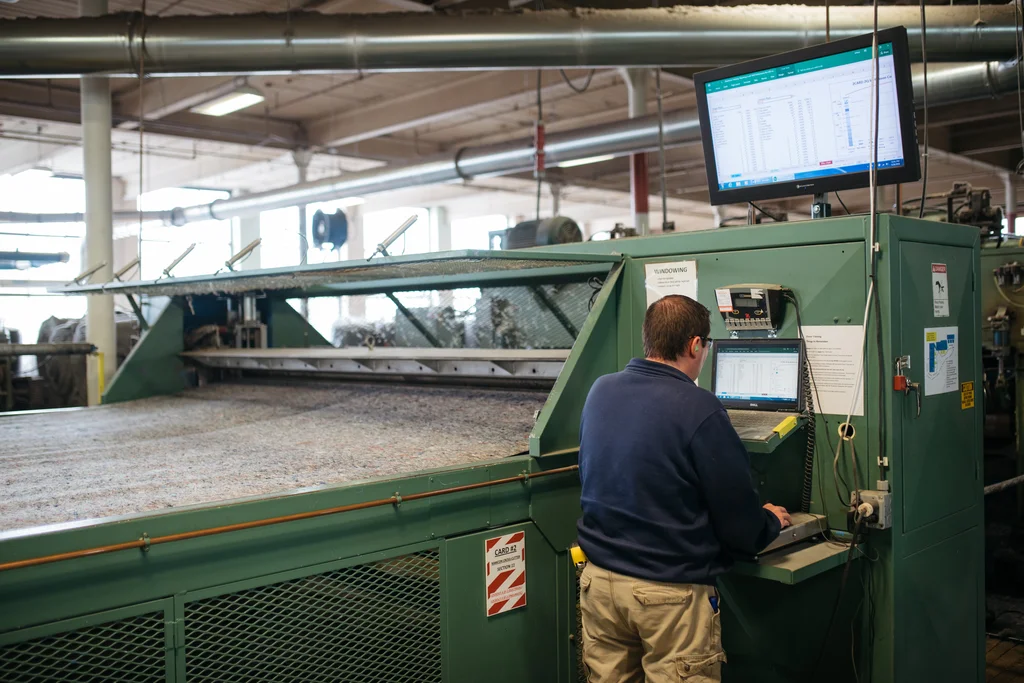
A Cedar Rapids Manufacturer's Guide To IT Response Times
Your ERP system freezes during a production run.
The shipping department can't print labels.
Employees lose access to inventory data.
Production managers are waiting for answers.
You contact your IT provider.
Then you wait.
And wait.
If you're a manufacturer in Cedar Rapids, every minute of downtime affects productivity, delivery schedules, customer commitments, and revenue. That's why one of the most frustrating questions manufacturing leaders ask is:
"Why isn't my IT provider calling me back?"
While technology problems are sometimes unavoidable, poor communication and slow response times shouldn't be. Let's look at why some IT providers struggle to respond quickly and what manufacturers should expect from a technology partner.
Why IT Response Time Matters In Manufacturing
For many businesses, an IT issue is an inconvenience.
For manufacturers, an IT issue can bring operations to a standstill.
Today's manufacturing environments rely on technology for nearly every critical function, including:
- ERP and MRP systems
- Production scheduling
- Inventory management
- Shipping and logistics
- Vendor communications
- Quality control processes
- Customer order fulfillment
When one of these systems goes down, the impact extends far beyond the IT department.
Production slows.
Deadlines become harder to meet.
Employees lose productivity.
Customers may experience delays.
The longer it takes to receive a response from your IT provider, the greater the operational and financial impact.
Five Reasons Your IT Provider Isn't Responding
1. They're supporting more clients than they can handle
Many IT providers grow their client base faster than they grow their support team.
As ticket volumes increase, response times often suffer. Instead of proactively helping clients avoid issues, technicians spend their days reacting to emergencies.
When that happens, manufacturers are left waiting for updates while critical systems remain unavailable.
2. They're constantly putting out fires
Some IT providers operate in a reactive mode, spending most of their time fixing problems after they've already disrupted business operations.
Without proactive monitoring and maintenance, small issues become larger outages.
As more emergencies arise, communication becomes inconsistent and response times increase.
3. Communication isn’t built into their process
Technical expertise matters.
But communication matters too.
Manufacturing leaders need more than a solution—they need visibility into what's happening.
Questions such as:
- Has someone acknowledged the issue?
- Is a technician actively working on it?
- How serious is the problem?
- When can we expect an update?
If these questions frequently go unanswered, communication may not be a priority within your provider's service model.
4. You're relying on a single point of contact
Many businesses start with one internal IT professional or a small outsourced provider.
While this can work for a time, it often becomes a bottleneck as technology demands grow.
Manufacturing companies depend on dozens of interconnected systems. Support should never hinge on the availability of one person.
A team-based approach provides better coverage, faster response times, and greater expertise when issues arise.
5. They don't understand manufacturing operations
Not all IT providers understand the urgency of manufacturing technology issues.
A network outage on the production floor isn't the same as a printer problem in an office.
Manufacturing organizations depend on technology to keep production moving, manage inventory, coordinate shipping, and meet customer commitments.
When an IT provider understands these realities, communication and response times become a higher priority.
Technology Challenges Facing Cedar Rapids Manufacturers
Cedar Rapids has long been home to a strong manufacturing community, with businesses supporting industries such as food processing, industrial equipment, logistics, advanced manufacturing, and precision production.
Today's manufacturers face growing technology demands, including:
- Cybersecurity threats
- Aging infrastructure
- Cloud application performance issues
- ERP system management
- Vendor integrations
- Remote access requirements
- Network reliability concerns
These challenges require more than occasional technical support.
They require a technology partner who understands manufacturing operations and responds quickly when issues occur.
What Manufacturers Should Expect From Their IT Provider
Whether you're evaluating your current provider or considering alternatives, there are several standards every manufacturing company should expect.
Prompt Acknowledgment
When an issue is reported, you shouldn't have to wonder whether anyone received the request.
Critical problems should be acknowledged quickly, with clear expectations about next steps.
Consistent Communication
Even when a problem takes time to resolve, communication should continue throughout the process.
You should receive updates about:
- Current status
- Troubleshooting efforts
- Expected timelines
- Recommended actions
Proactive Monitoring
The best IT providers identify and resolve many issues before they impact production.
Proactive monitoring reduces downtime and helps prevent disruptions from escalating into emergencies.
Team-Based Support
Manufacturers need access to a team of professionals rather than relying on a single technician.
A team-based model provides continuity, specialized expertise, and faster response times.
Understanding Of Manufacturing Systems
Your IT provider should understand how technology supports production schedules, inventory management, quality control, shipping operations, and business growth.
Technology decisions should always align with operational goals.
Signs It May Be Time To Reevaluate Your IT Provider
Ask yourself the following questions:
- Do support requests regularly go unanswered?
- Are employees frustrated by recurring technology issues?
- Do you have to follow up multiple times for updates?
- Has downtime become a normal part of operations?
- Do technology problems seem to linger longer than they should?
If you answered yes to several of these questions, it may be time to take a closer look at whether your current provider is delivering the support your business needs.
Why Communication Matters As Much As Technical Expertise
Many IT providers focus solely on fixing technology.
The best technology partners understand that communication is part of the solution.
Manufacturing leaders need confidence that issues are being addressed and that someone is actively managing the situation.
Clear communication helps businesses:
- Make informed decisions
- Adjust production schedules when necessary
- Keep employees informed
- Reduce uncertainty during outages
Technical expertise solves problems.
Communication builds trust.
The strongest IT partnerships require both.
Frequently Asked Questions
How quickly should an IT provider respond to a manufacturing issue?
Manufacturers should expect prompt acknowledgment of critical issues and regular communication throughout the resolution process.
Why are response times so important for manufacturers?
Technology disruptions can impact production schedules, inventory management, shipping operations, customer commitments, and overall profitability.
What causes slow IT response times?
Common causes include understaffing, reactive support models, poor communication processes, and a lack of manufacturing experience.
Should manufacturers work with a local IT provider?
Many Cedar Rapids manufacturers prefer working with local providers because they can often provide faster support, stronger relationships, and a better understanding of regional business challenges.
What should manufacturers look for in a managed IT provider?
Look for proactive monitoring, cybersecurity expertise, responsive support, clear communication, manufacturing experience, and a team-based service model.
Final Thoughts
If you're asking, "Why isn't my IT provider calling me back?", the real issue may be larger than a missed phone call.
Slow response times often reveal deeper problems with communication, staffing, processes, or service delivery.
For manufacturers in Cedar Rapids, downtime is too costly to accept poor communication as the norm.
Your technology partner should respond quickly, communicate clearly, and understand how technology impacts production, profitability, and growth.
Because when manufacturing operations depend on technology, every minute counts.
At RTS, we work with manufacturers throughout Cedar Rapids and Eastern Iowa who depend on fast response times, proactive support, and clear communication to keep operations running smoothly.